Our Journey
A Community-Centered Health Solution
In the Philippines, lifestyle-related illnesses such as diabetes, hypertension, and cancer, continue to rise, yet many barangay communities still face barriers to consistent health education, preventive care, and timely medical support. Low health literacy, limited infrastructure, and minimal engagement with healthcare professionals contribute to poor lifestyle habits and delayed management of chronic conditions.
Existing community health programs are often fragmented and not tailored to local needs, resulting in unequal access to long-term health guidance. These challenges highlight the urgent need for a reliable, accessible, and culturally responsive digital health solution.
iLunas was created to meet that need.
iLunas is an online health platform designed by lifestyle trainees to empower communities by making healthcare more accessible, efficient, and inclusive. It offers:
- Teleconsultation Support — enabling real-time connections with doctors, even in remote areas, linked directly to your zoom account
- Comprehensive history and physical exam guide — with differential diagnoses
- Integrated Screening tools — 15 well-researched screening tools on lifestyle with automated scoring, results, and interpretations
- Integrated ICD-10 Diagnosis Database — updated, for uniform assessments
- Digital Medical Prescriptions — well-researched, accurate, and easy to create
- Digital Diagnostic Prescriptions — with Cebuano instructions for patients
- Digital Lifestyle Prescriptions — ability to auto-populate instructions for each pillar coming from evidence-based guidelines of lifestyle conditions
- Clinical Summary, Metrics, and Analytics — for clinic reports, individual patient monitoring, and raw data for research
- Visually relaxing user interface — to promote connection with nature
- …all of these and more!
By combining technology with community-centered care, iLunas bridges healthcare gaps and supports better health outcomes for underserved populations, while keeping in mind doctors prone to burn-out from excessive administrative tasks. Whether you're managing a chronic condition or seeking preventive guidance, iLunas brings healthcare closer to home at a faster pace, so you can focus on what's important — the health of your patients and yourself.
August 13, 2025
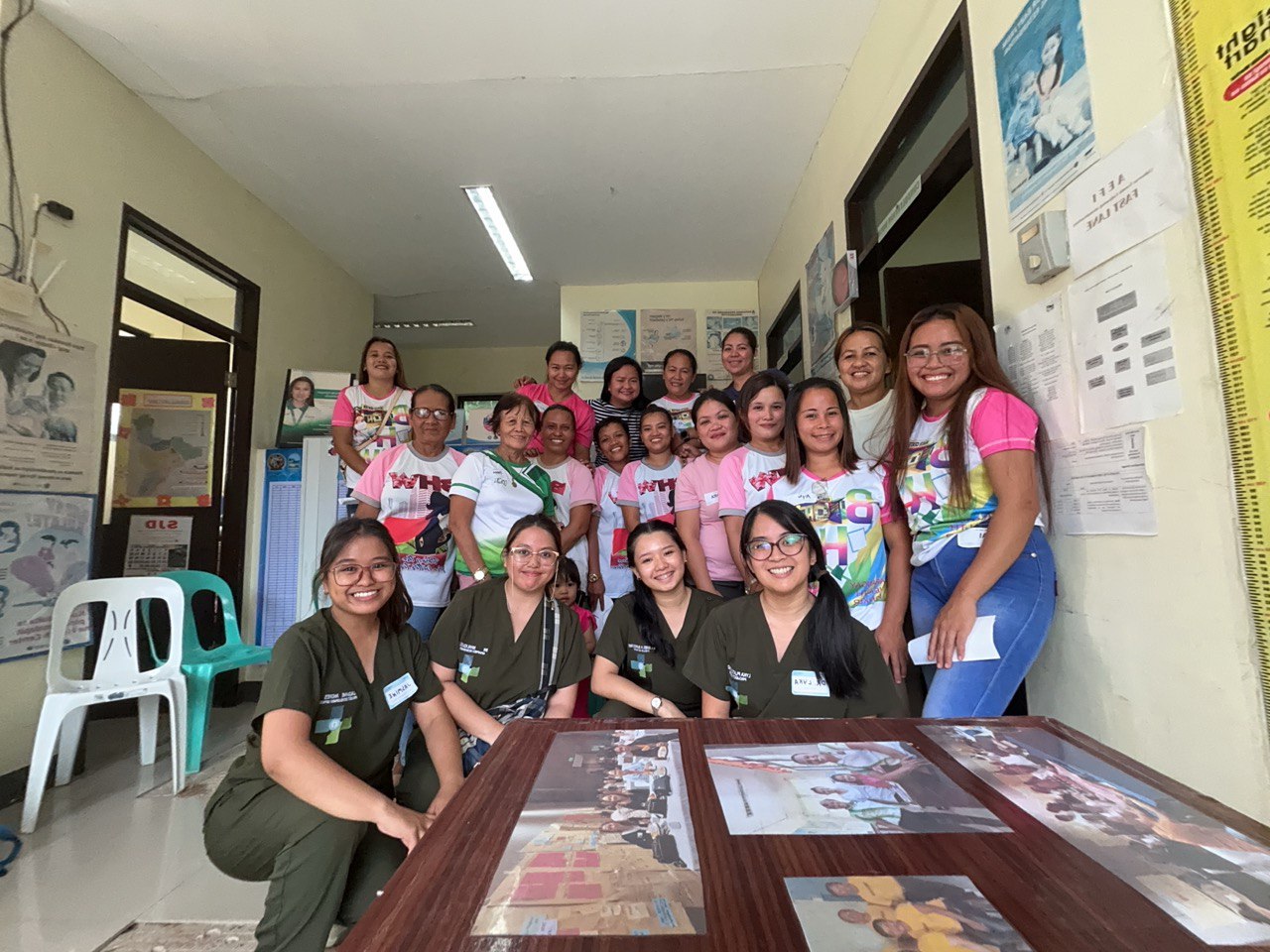
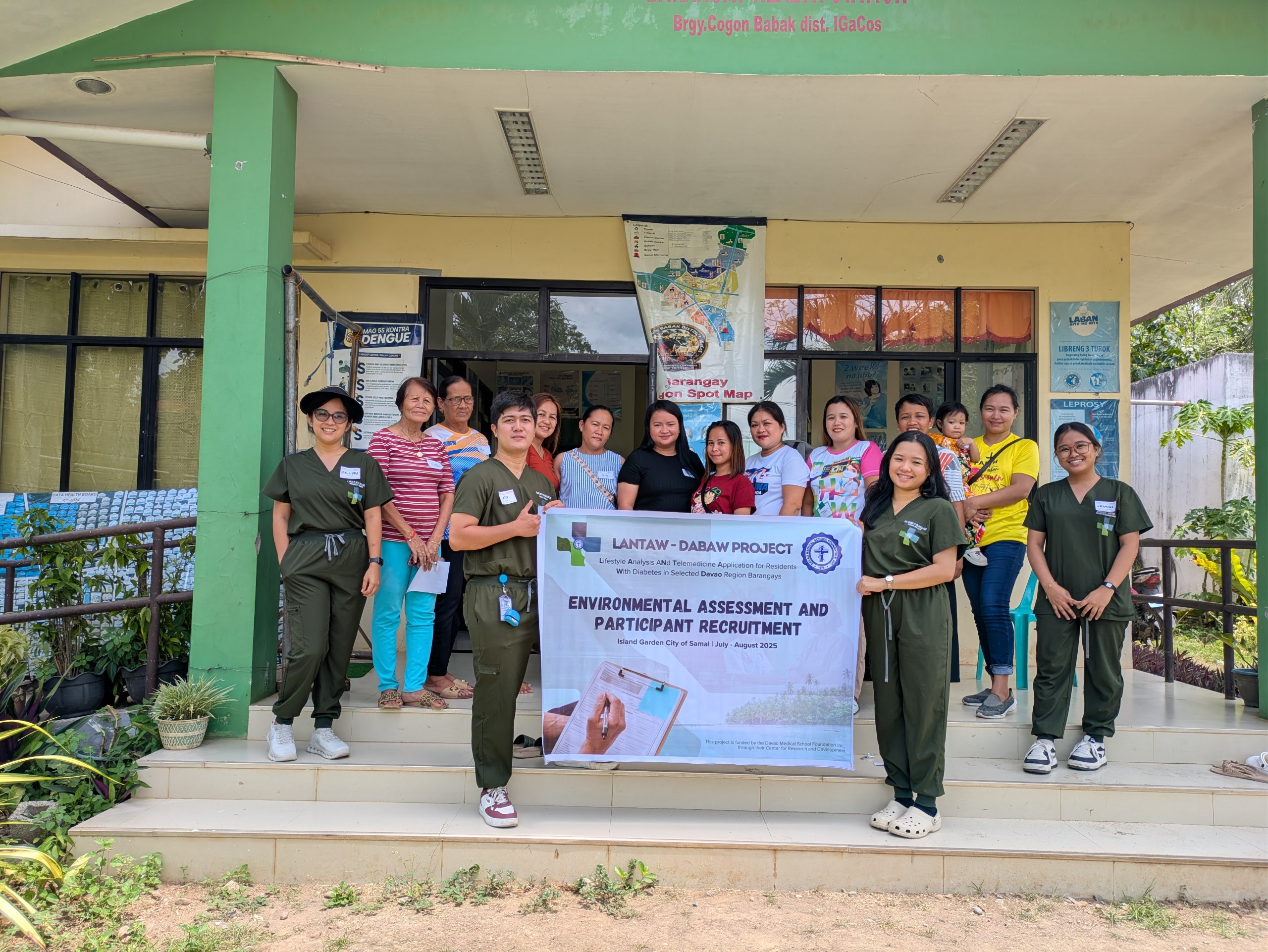
Our journey began when the team visited the Cogon Barangay Health Station to orient Barangay Health Workers on the proper use of iLUNAS. Through videos, workflow demonstrations, and hands-on practice, frontline workers gained confidence in digital healthcare, symbolizing unity and collaboration at the grassroots level.
August 20, 2025
Soon after, we reinforced our advocacy for lifestyle medicine at CrossFit Cranium Fitness Gym, where Dr. Ian Abundo emphasized that healthcare advocates must embody healthy practices themselves. This training not only strengthened our team's fitness but also deepened our commitment to preventive, holistic care.
August 22, 2025
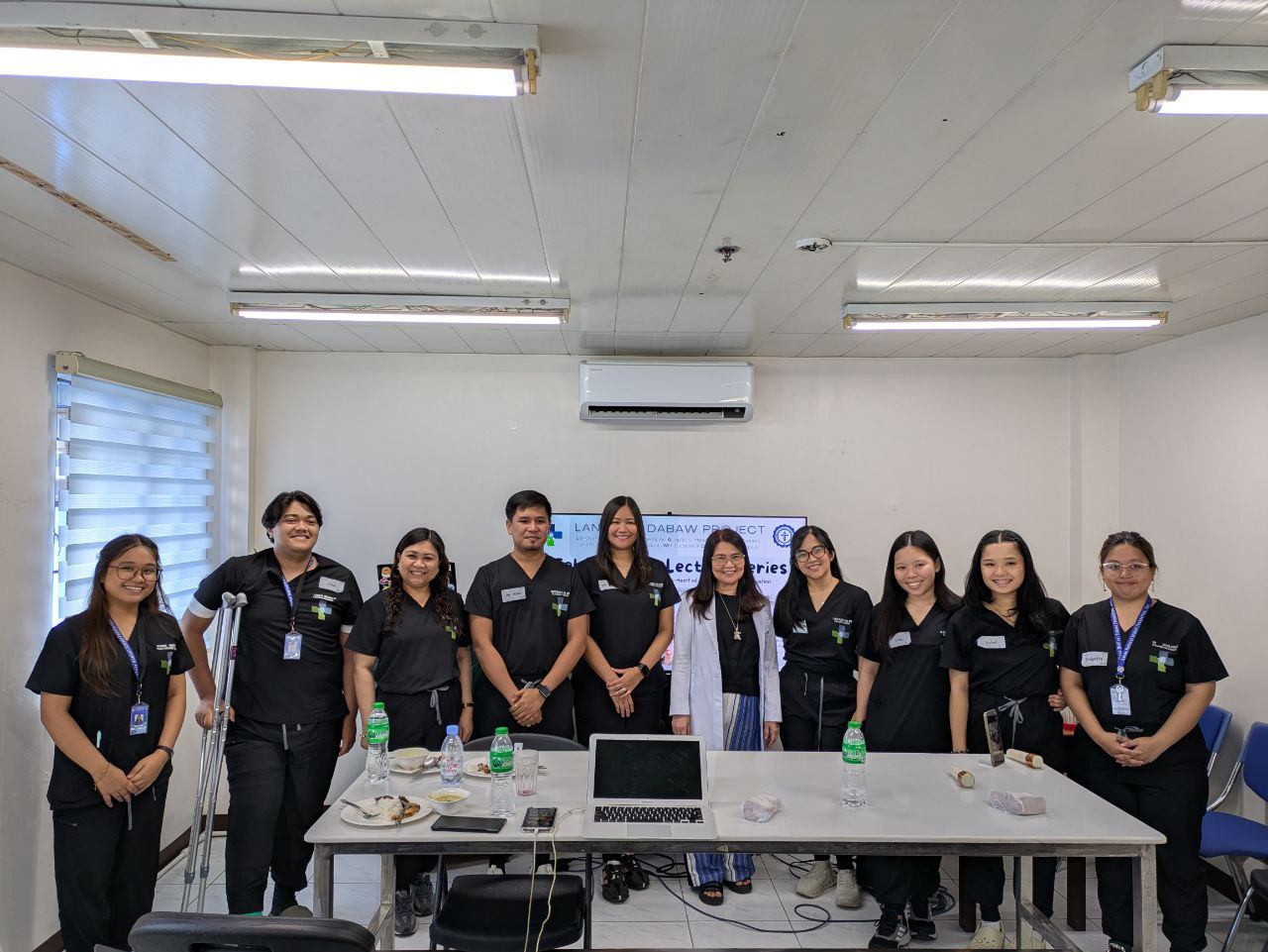
Just two days later, we hosted the landmark lecture series "Lantaw sa Kaugmaon: Telemedicine at the Heart of Community Health Innovation." Distinguished speakers highlighted telemedicine's role in bridging healthcare gaps, strengthening public health, and advancing Universal Health Care. The event became a platform for knowledge exchange, aligning academic expertise, government readiness, and community needs.
August 26, 2025
Subsequently, we returned to Barangay Cogon, Babak, IGACOS, for hands-on training with BHWs. Participants rotated through telemedicine workflow stations, practiced real equipment use, and aligned duties for efficient operations, ensuring sustainability and empowering communities to run the system independently.
September 17, 2025
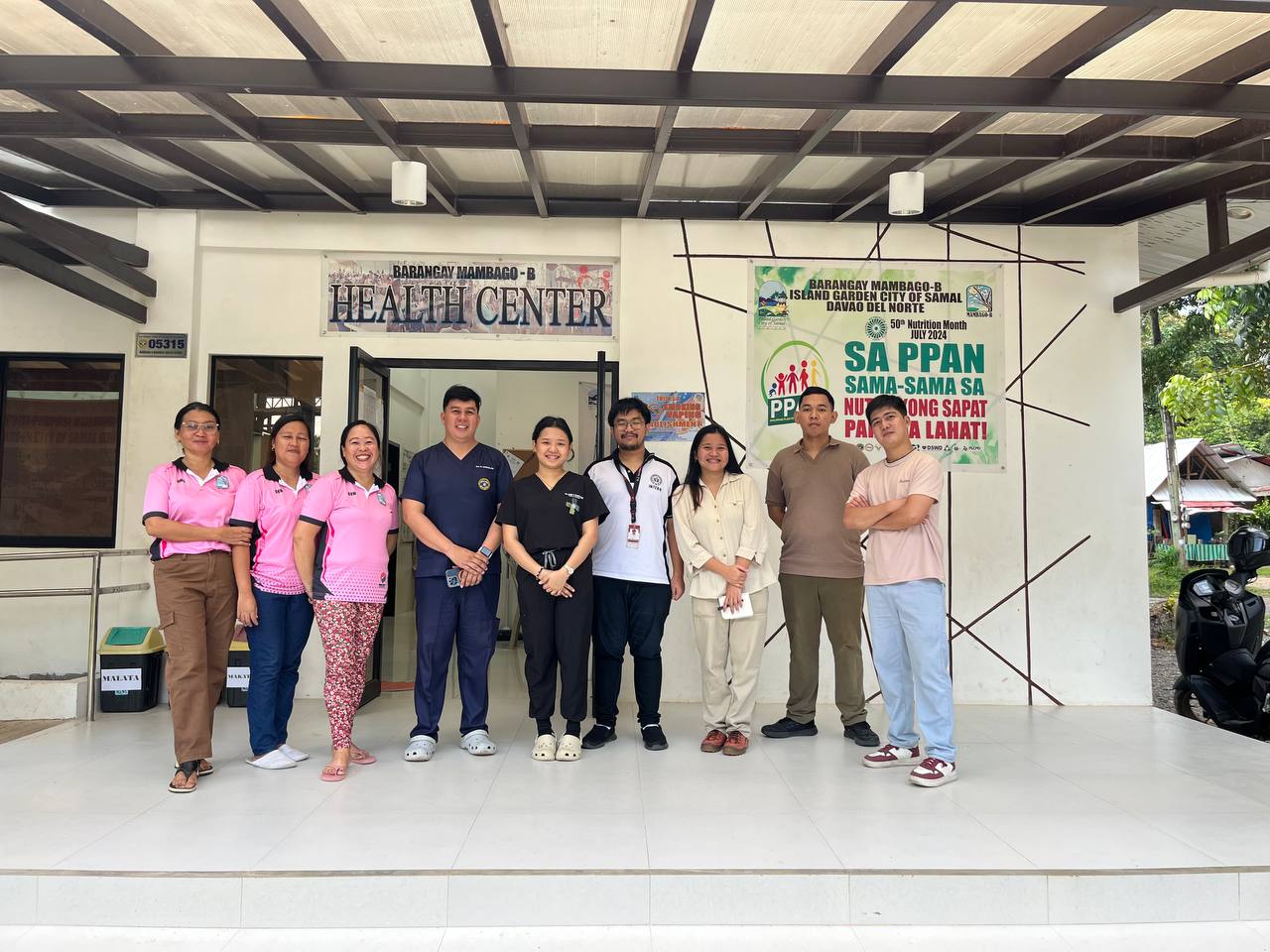
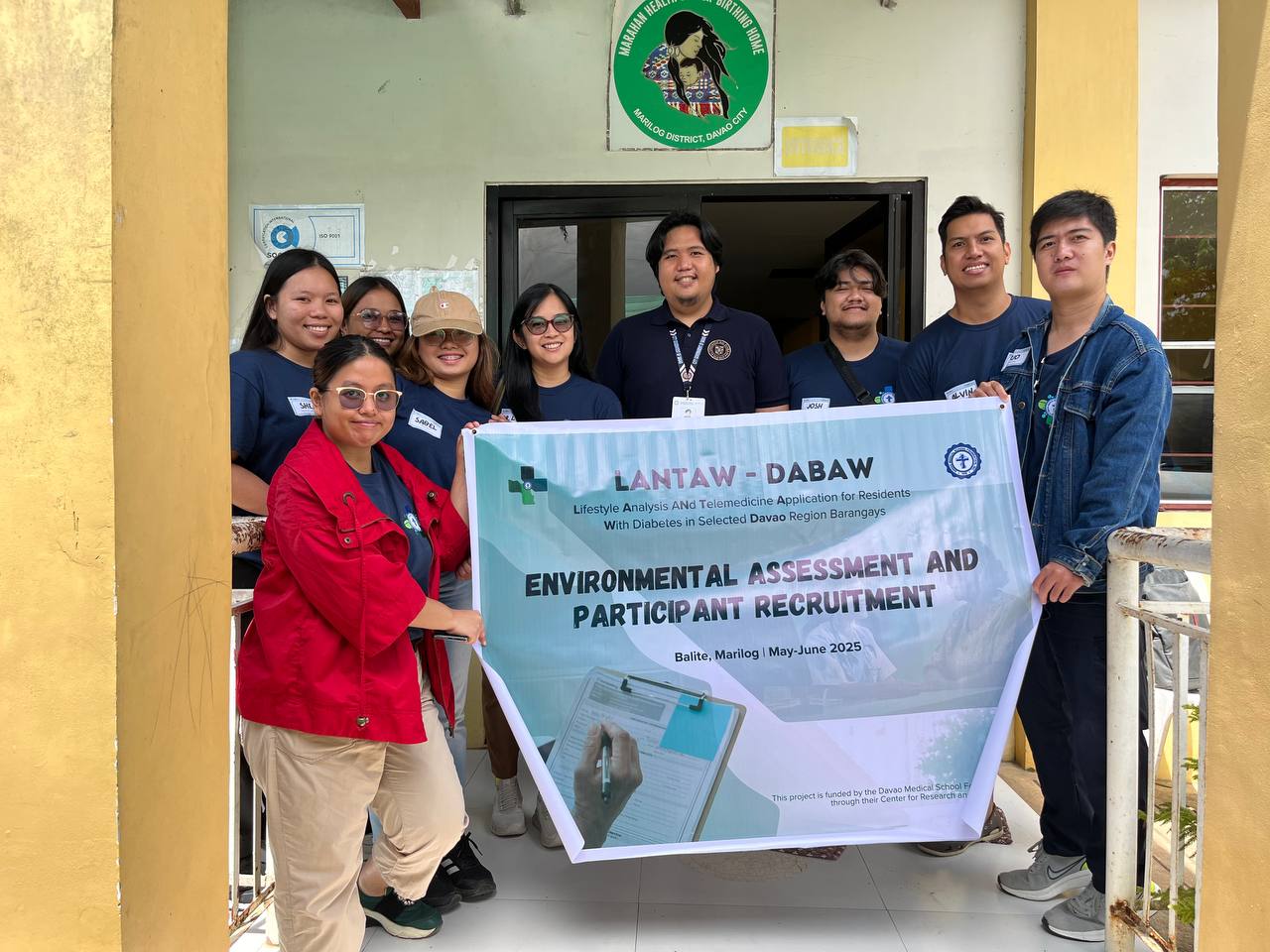
A few weeks later, the team conducted field visits to health stations in Villarica, Mambago-B, and Toril to assess readiness for telemedicine integration. Conversations with nurses, midwives, and BHWs revealed both challenges and opportunities in frontline healthcare delivery, providing crucial insights to tailor solutions to local realities.
October 2, 2025
Then, we secured a vital partnership with One Dot Mobile, ensuring reliable network infrastructure and mobile signal coverage. This collaboration guaranteed stable telemedicine operations, data transmission, and real-time coordination—especially in areas where communication services are critical.

December 2, 2025
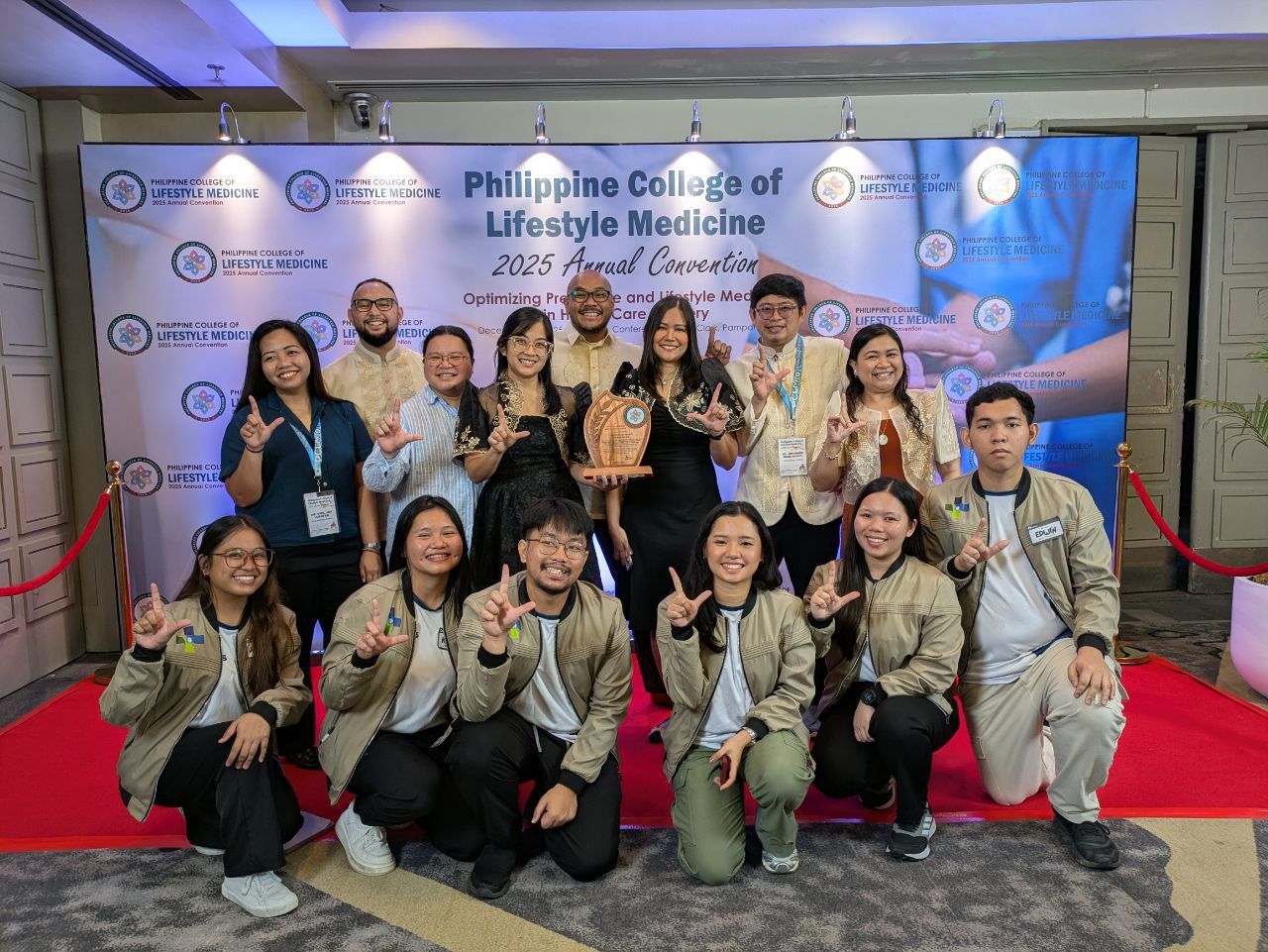
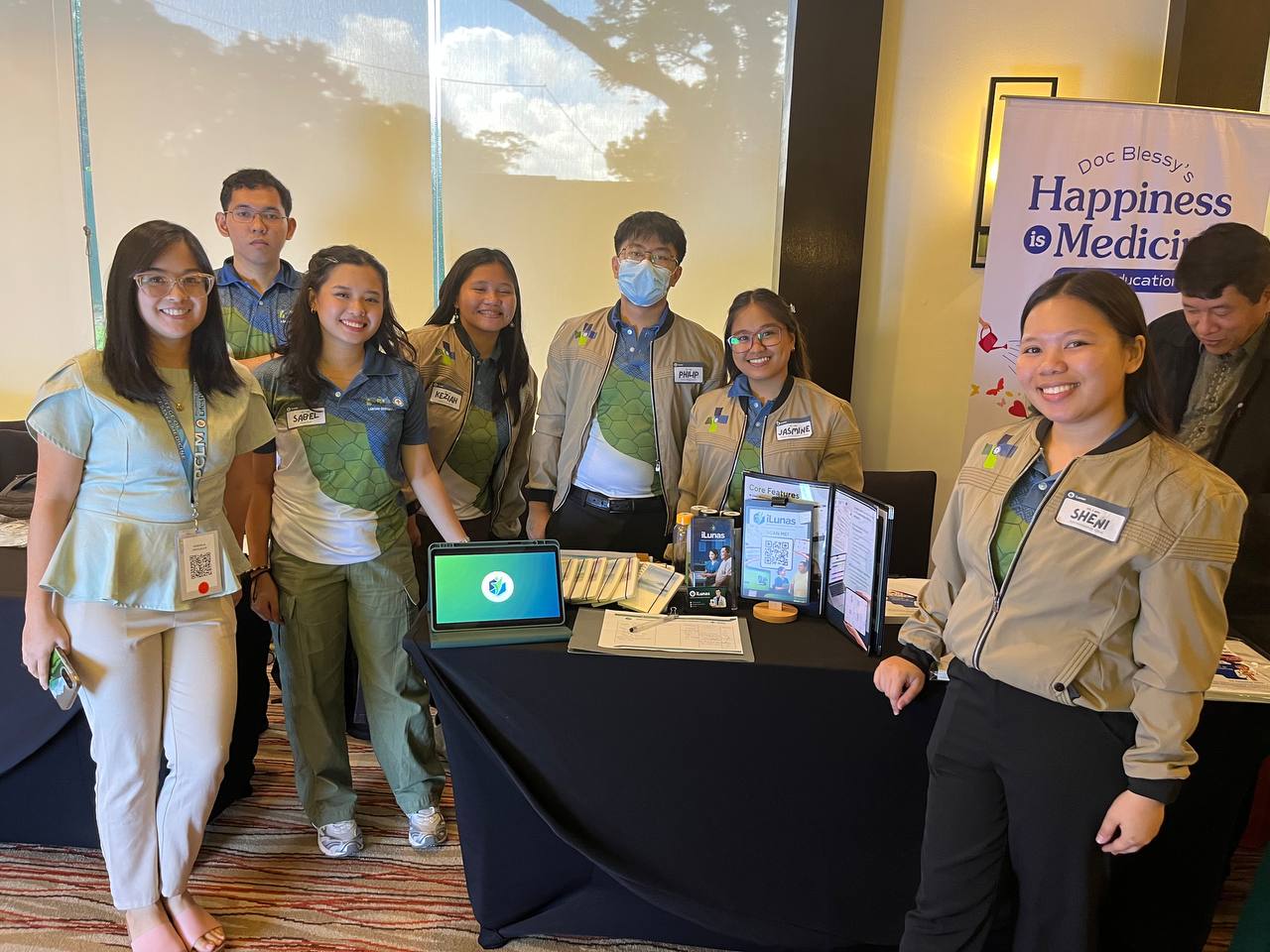
Later that year, we proudly showcased iLUNAS at the Philippine College of Lifestyle Medicine Annual Convention in Quest Hotel. Doctors and healthcare professionals engaged with the system's features, telemedicine functions, and diabetes care applications, while branded giveaways and active networking amplified visibility and future collaborations.
December 3, 2025
The following day, the DMSF iLUNAS Project was formally recognized at the awarding ceremony, a milestone achievement that underscored our dedication to advocacy and innovation. Even after receiving recognition, the team sustained booth engagement before traveling to Makati for presentations at the Department of Migrant Workers, demonstrating adaptability, efficiency, and resilience.
Through these milestones, the LANTAW-DABAW Project has grown from grassroots empowerment to national recognition and strategic partnerships. Each step reflects our unwavering commitment to innovation, advocacy, and community empowerment. With iLUNAS, we continue to prove that telemedicine and lifestyle medicine can transform healthcare delivery—making it more accessible, equitable, and future-ready for the people of Mindanao and beyond.